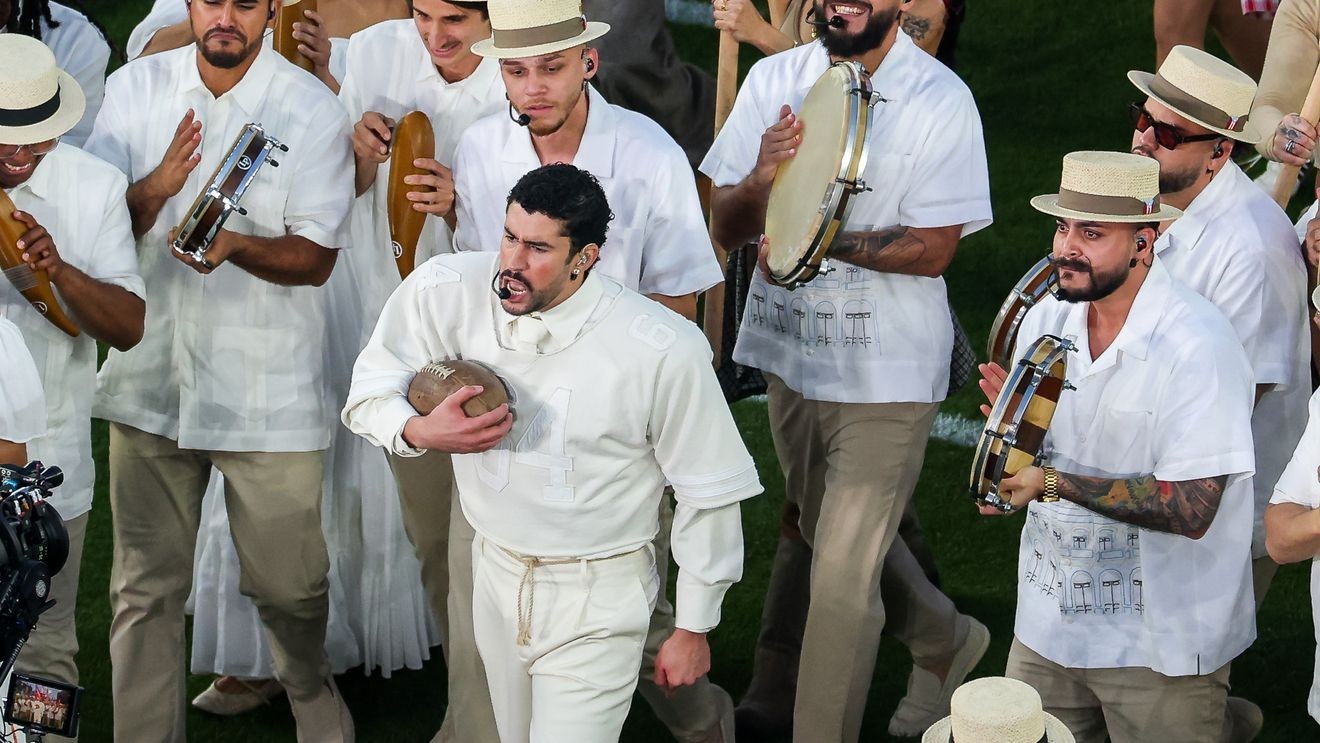
Political Push Fails: FCC Exonerates Bad Bunny Super Bowl Show After Scrutiny
The Super Bowl halftime show is arguably one of the most visible entertainment platforms globally, a cultural phenomenon capable of igniting widespread discussion and, occasionally, controversy. Such was the case following Puerto Rican superstar Bad Bunny's electrifying performance, which, despite its artistic merit, quickly became the target of intense political scrutiny. Whispers and outright claims of regulatory action, including a staggering $10 million fine, circulated rapidly across social media and news outlets. However, the truth, as revealed by an official FCC investigation, tells a different story: the political push failed, and the Federal Communications Commission ultimately exonerated Bad Bunny, finding zero violations.
For those wondering, was Bad Bunny sued by the FCC? The definitive answer is no. While there were significant calls for the agency to take action, and a formal investigation did occur, the FCC concluded its probe without levying any penalties against the artist, the NFL, or NBC. This outcome not only cleared the air but also highlighted the complex interplay between artistic expression, broadcast regulations, and political agendas.
The Allegations That Sparked a Storm: Bad Bunny and the Super Bowl Scrutiny
The controversy ignited almost immediately after Bad Bunny's Super Bowl halftime performance. Republican Congressman Randy Fine of Florida, alongside other GOP lawmakers, spearheaded a public campaign urging the FCC to take "dramatic action." Their demands included hefty fines and broadcast-license reviews against the NFL, NBC, and Bad Bunny himself. Fine took to social media, labeling the performance "disgusting" and "illegal," and penned a letter to FCC Chairman Brendan Carr demanding intervention.
"The woke garbage we witnessed on Super Bowl Sunday needs to be INVESTIGATED and put to an END," Fine declared, claiming that 130 million people, including children, were exposed to "vulgar and disgusting content." Other figures, such as Republican Mark Alford of Missouri, echoed these sentiments on national television, admitting a lack of Spanish fluency but asserting that "a lot of information" had emerged regarding the lyrics.
Amidst this uproar, a particularly persistent and widely shared claim emerged: that Bad Bunny had been fined $10 million by the FCC. This specific rumor gained significant traction, becoming a point of contention and confusion for fans and critics alike. However, as fact-checking outlets quickly pointed out, these allegations of a massive penalty were entirely unfounded. There were no official reports or legal documents to support any FCC fine against the artist.
Unpacking the "Evidence": Why Claims of Profanity Fell Flat
At the heart of the controversy were allegations of explicit and profane lyrics. Critics, many of whom did not understand Spanish, often cited literal translations of lines that were supposedly performed. However, the FCC's investigation unearthed a crucial detail that systematically undermined these claims: Bad Bunny had actually "cleaned up his act" for the highly visible primetime broadcast. The agency's scrutiny revealed that many of the explicit lines cited by critics were either not performed on air, were mumbled, or were cut off during the roughly 13-minute set.
The FCC's process involved obtaining official translations of what Bad Bunny actually said during his segment. This thorough examination revealed that the evidence of rule violations was "thin at best." The accusations of overt profanity in English, as presented by the lawmakers, simply did not align with the actual broadcast content. This highlights a critical lesson: in the age of viral social media, it's easy for misinformation, especially around translations or misinterpreted content, to spread rapidly. A reliance on official investigations and verified facts is essential to cut through the noise.
The FCC's Verdict: Exoneration and the Limits of Regulatory Power
After a federal investigation prompted by the Republican complaints, the FCC formally exonerated Bad Bunny, finding zero violations. The agency concluded its probe and effectively shelved any additional scrutiny, signaling "case closed." This outcome definitively debunks the widespread rumors that Bad Bunny was fined, especially the specific claim of a $10 million penalty. For confirmation, you can refer to the detailed report that highlights No $10 Million FCC Fine: Bad Bunny Cleared After Probe.
This decision underscores important constraints on the FCC's enforcement capabilities, particularly regarding "fleeting indecency" and regulating third-party content produced by private entities like the NFL. Legal analysis often points out that the agency faces challenges in levying fines against leagues or performers for halftime show content, especially when the content itself is carefully curated for broadcast standards. This legal nuance often renders congressional threats, while politically charged, as legally weak or "baseless" in practice.
It's important to understand that the FCC primarily regulates broadcast content (TV, radio) to ensure it adheres to public decency standards, especially during primetime hours when children are likely to be watching. However, the exact application of these rules to live, high-profile events involving multiple parties—from the performers to the league to the network—can be complex. The agency's diligent investigation, including obtaining specific translations, demonstrates its commitment to factual findings over political pressure.
Beyond the Headlines: The Political Undercurrents and Broader Implications
The controversy surrounding Bad Bunny's Super Bowl performance was more than just a debate over lyrics; it was emblematic of broader cultural and political tensions. The Republican lawmakers' calls for action came amid wider "culture war" criticisms of the halftime show's content and language. Commentators noted the context that FCC chair Brendan Carr has historically been receptive to conservative complaints, which likely fueled lawmakers' confidence in pursuing regulatory action, even when legal grounds appeared tenuous.
This episode serves as a powerful reminder of how political agendas can intersect with entertainment, using regulatory bodies as a battleground. For artists, it highlights the immense pressure and scrutiny that come with performing on such a massive stage, often necessitating proactive self-censorship or adaptation of their acts to meet broadcast standards. Bad Bunny's team, by cleaning up the performance, demonstrated an understanding of these requirements.
For broadcasters and event organizers, it underscores the need for meticulous planning and clear communication regarding content guidelines, especially when dealing with live performances. Ensuring compliance with FCC regulations, particularly during primetime, is paramount to avoid potential controversies and investigations. Viewers, on the other hand, are urged to exercise critical thinking and fact-checking, relying on official reports rather than viral social media posts, which often spread misinformation without proper vetting.
The case of Bad Bunny's Super Bowl performance ultimately concludes not with fines or penalties, but with an exoneration. It's a testament to the fact that while political pressures can be intense, regulatory bodies are tasked with upholding specific legal frameworks and conducting thorough investigations based on actual evidence. In this instance, the evidence showed no violations, clearing Bad Bunny and affirming the FCC's role as a fact-based regulator rather than a tool for political retribution.